This is a subtitle for your new post

Brown puppy sitting on a concrete path in front of a colorful building, with a blurred person behind it

Max and Friends Pet Care Blog


Why Consistency With Your Pet Sitter Matters Most When You’re on Vacation


You can plan the perfect trip, but if your pet’s day-to-day care feels unpredictable, it’s hard to truly relax. For most animals, consistency is comfort: familiar timing, familiar cues, familiar handling, and a familiar presence in their space.


When you hire the same sitter (or a tightly coordinated team) to follow the same routine each visit, you’re not just checking a box—you’re supporting your pet’s routine, comfort, safety, and your own peace of mind while you’re away.


Routine Keeps Pets Regulated (and Prevents Small Issues From Becoming Big Ones)


Pets don’t measure time the way we do, but they absolutely feel patterns. A predictable schedule helps regulate digestion, energy levels, and stress—especially for animals that are sensitive, senior, or managing health needs.


Consistency matters in the details people often overlook:

  • Meal timing & portions — Sudden changes can lead to stomach upset, skipped meals, or food-related anxiety.
  • Potty breaks & litter care — Reliable timing reduces accidents, discomfort, and risk of UTIs (particularly in cats).
  • Medication routines — The right dose at the right time, given the same way, reduces missed meds and resistance.
  • Exercise patterns — A dog used to morning walks often becomes restless without them; an under-exercised dog is also more likely to get into trouble.


The benefit of a consistent sitter is that they learn your pet’s “normal.” They notice when something is off—like a dog who suddenly slows down on a route, or a cat who’s usually social but starts hiding. That baseline is powerful, because it makes changes easier to spot and address quickly.


Familiar Care Builds Comfort—and Comfort Improves Safety


Vacation can be stressful for pets, even in their own home. A new person, new voice, and new way of doing things can feel like a disruption—especially for shy pets, rescues, or animals who are protective of their space.


When the sitter is consistent, your pet experiences the visit as part of a familiar pattern rather than a new event. That lowers stress and helps prevent common vacation-time problems:

  • Door safety — A sitter who knows your pet’s habits is less likely to trigger a dash-out-the-door moment.
  • Leash and harness security — The same person uses the same fit checks and handling style every time.
  • Home routines — Gates, crates, feeding stations, alarm routines, and “where things go” stay consistent, reducing mistakes.
  • Behavior stability — Predictable interactions reduce jumping, mouthing, resource guarding, and fear responses that can happen with unfamiliar handling.

Key idea: The goal isn’t to “entertain” your pet with novelty—it’s to keep life feeling normal until you’re home again. Normal is what helps pets settle, rest, and stay safe.


Your Peace of Mind Comes From Knowing Exactly What’s Happening at Home


Consistency isn’t only for your pet—it’s for you. When the care plan is repeatable, communication becomes clearer, expectations stay aligned, and you spend less time wondering “Did that get done?” and more time enjoying your trip.


A dependable local service can make consistency easier because it’s built into the process. For example, Max & Friends Pet Care prioritizes steady scheduling, routine-based visits, and clear updates—so your pet’s day stays predictable and your information stays reliable. That kind of structure matters when you’re out of town and need care to be calm, precise, and on time.

If you want to set your sitter (and your pet) up for success, focus on these practical consistency points before you leave:

  • Write down the routine (feeding, potty breaks/litter, walks, meds, and any “must-follow” house rules).
  • Keep supplies in predictable places so the sitter can repeat the same steps each visit without guessing.
  • Agree on communication (how often updates come, what they include, and who to contact for decisions).
  • Confirm safety procedures (leash checks, door/gate rules, alarm instructions, and emergency vet info).


Closing Takeaway


The best vacation pet care doesn’t feel flashy—it feels steady. When your sitter is consistent, your pet stays grounded in routine, stress stays lower, safety stays higher, and you get the real gift of travel: the ability to be present, knowing your pet is in reliable hands.


Wondering why a Pet Sitter is valuable to each family? Check out our blogs and enjoy learning about us and why we love what we do.
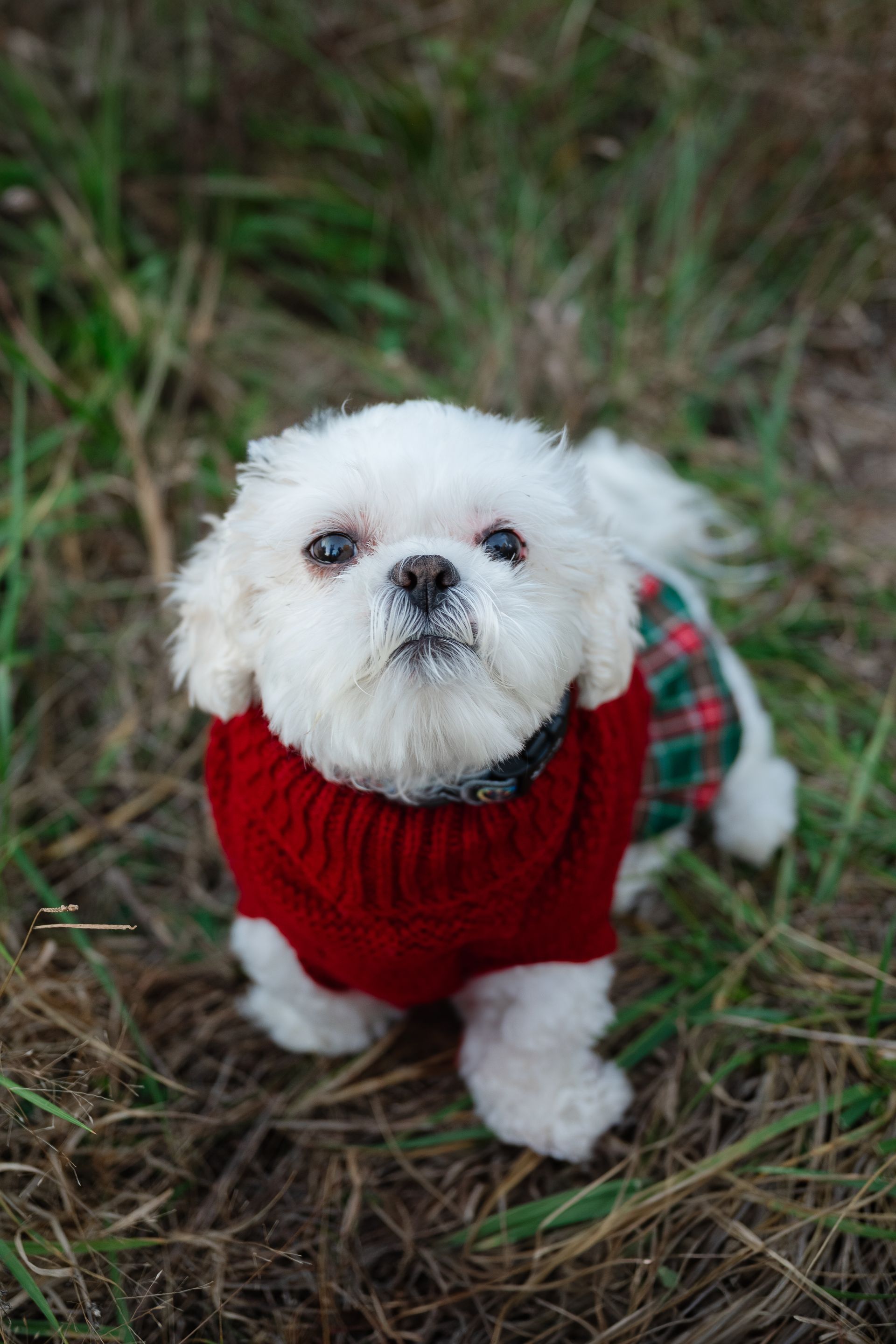
Small white dog wearing a red sweater and plaid coat, standing in grass and looking up at the camera.
August 21, 2026
Why Your Puppy Needs a Daily Check-In Puppies may be small (like my sweet Lilly I have the priviledge of checking on), but their needs do not wait for the end of your workday. Even when you are away for only part of the day, a puppy benefits from a reliable person who can offer food, fresh water, a potty break, and a little calm attention. A once-a-day visit gives your puppy a comfortable pause in the day instead of asking them to wait, worry, or entertain themselves for too long. With a simple plan and a trusted helper, daily drop-in care can support healthy routines while giving you peace of mind. A reassuring starting point: One dependable check-in can make a big difference. If your puppy is very young or still having frequent accidents, they may need more than one visit—use their age, bladder control, and veterinarian’s guidance to choose the right schedule. 🐾 Puppies Need Support During the Day Young puppies are still learning how to eat, rest, play, and use the bathroom. They often cannot comfortably hold their bladder for a full workday, and long stretches alone can make the day feel confusing or overwhelming. A daytime visit meets those needs when they matter most. The goal is not to fill every minute with activity. It is to give your puppy a predictable rhythm: a quiet greeting, the right meal if one is due, fresh water, time outside, and a chance to settle again. That steady pattern helps your puppy feel secure while they learn that you will always come back. Comfort — A familiar person breaks up a long period alone and offers gentle reassurance. Energy — A short potty trip and a little age-appropriate play can prevent restlessness from building. Consistency — Similar visit times help your puppy understand what to expect each day. 🍽️ Small Tasks That Keep the Routine Steady A good check-in does not need to be complicated. The visitor follows the routine you have already established and keeps the focus on your puppy’s basic needs. Depending on the timing of your puppy’s meals, the visit might look like this Food: Serves the measured portion at the usual time. Prevents skipped meals and keeps feeding predictable. Fresh water: Refills the bowl and checks that it is clean. Supports hydration, especially after play or a warm morning. Potty break: Lets the puppy out to the usual spot and waits long enough for them to go. Reduces discomfort and reinforces the right place to potty. Routine: Offers a little calm play, praise, or company before settling the puppy. Helps the day feel familiar rather than lonely or unpredictable. 🎓 Daily Visits Make Good Habits Easier Every successful potty trip is a small lesson. When a visitor takes your puppy out before an accident is likely, rewards the right behavior, and returns them to a calm space, they help build the habits you are practicing at home. Fewer accidents also make the process less frustrating for everyone. A check-in can prevent boredom without turning into an exciting party. A few minutes of gentle play, a food puzzle you have already approved, or quiet companionship may be all your puppy needs before naptime. The right amount of activity helps them practice settling, not just staying busy. Think of the visit as a reset: Your puppy gets a chance to eat, drink, potty, and reconnect with a trusted person. Then they can return to rest with a more comfortable body and a calmer mind. 👀 A Trusted Visitor Can Notice Changes Daily contact also gives another caring adult a chance to notice what you might miss from a distance. A visitor can tell you if your puppy refuses food, drinks much more than usual, has diarrhea, seems unusually tired, is limping, or is acting fearful or withdrawn. Ask the visitor to send a brief update after each check-in: whether your puppy ate, drank, pottied, and seemed like themselves. This simple record can reveal patterns early and help you decide when to call your veterinarian. It also reassures you that the visit happened as planned. 📝 Make the Routine Easy to Follow The best daily helper is not expected to guess. Before the first visit, show them where everything is and walk through the routine once. Keep supplies together so the check-in stays simple and your puppy gets consistent care. Write down the visit window, meal time, portion size, and treat limit. Leave a clean water bowl, measured food, waste bags, leash, and any approved toy in one labeled spot. Explain the potty door, outdoor area, boundaries, and what to do if your puppy gets distracted. Share your puppy’s normal eating, sleeping, and bathroom patterns. Provide your phone number, a backup contact, and your veterinarian’s information. Explain how to secure doors and gates so your puppy cannot slip away. Ask the visitor to confirm the puppy is safely settled before leaving. Keep instructions short and visible. A one-page note is usually enough. Include what to do if your puppy has an accident, refuses food, seems sick, or cannot be found in the usual safe area. A quick meet-and-greet also helps your puppy recognize the visitor before you are away. 💛 A Little Help Goes a Long Way A once-a-day check-in gives your puppy the essentials they need during the day: food, fresh water, a timely potty break, and a familiar routine. It can support training, reduce boredom and stress, and give you an extra set of eyes on your puppy’s wellbeing. Choose someone you trust, prepare the routine in advance, and start with a visit schedule that fits your puppy’s age and needs. That small daily promise can help your puppy feel safe, comfortable, and ready to keep learning.
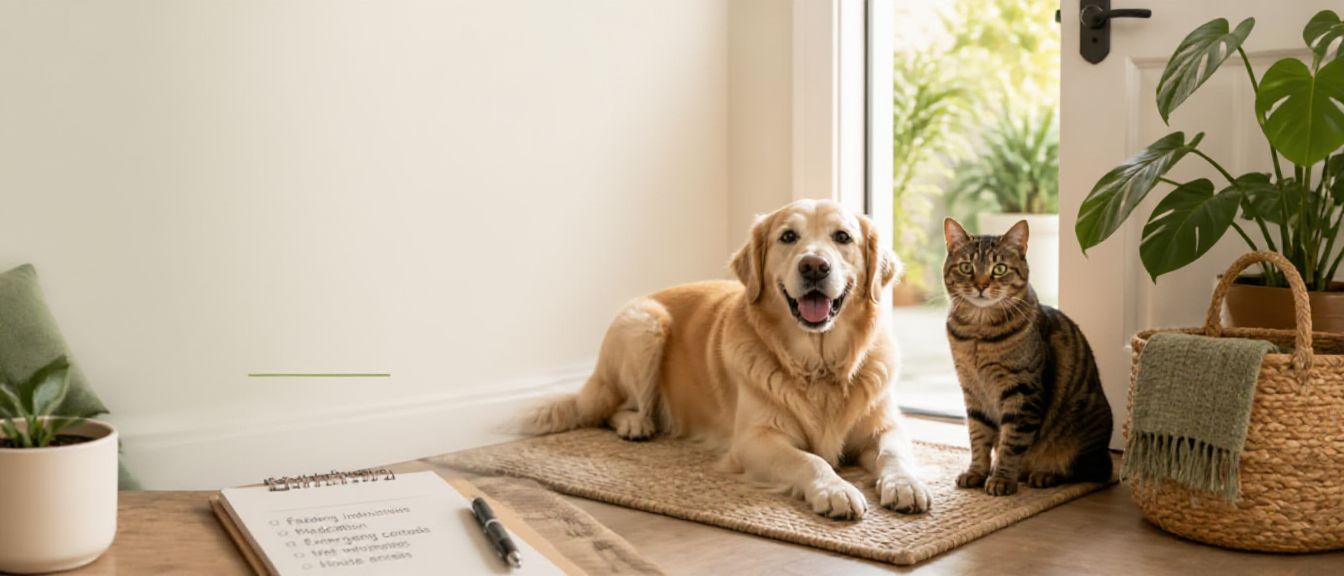
Golden retriever and tabby cat resting on a rug by a sunlit window, with plants and a woven basket nearby
By Dina Demarest August 21, 2026
Leaving your pet for a few short visits can feel simple—until you start wondering whether the sitter will find the food, understand the alarm, or know what that unusual bark means. A little preparation turns those unknowns into a calm, predictable routine for everyone. Before you leave, focus on four things: your pet’s comfort, the sitter’s access to essentials, a safe and tidy home, and instructions that are easy to follow. The goal is not to plan every second. It is to make the important details obvious.  🐾 Prepare Your Pet Before the First Visit Start with your pet’s emotional needs. If possible, arrange a brief meet-and-greet before the first drop-in so your animal can see, smell, and hear the sitter while you are still present. Ask the sitter to offer a familiar treat or toy, but let your pet approach at its own pace. A nervous dog may need a quiet greeting, while a shy cat may prefer that the sitter sit nearby without reaching for it. On the day you leave, keep the usual rhythm. Give your pet its normal meal, walk, play session, or bathroom break rather than introducing a new food or an unusually tiring activity. A little exercise can help an active dog settle, but avoid anything that could cause soreness or stomach upset while you are away. Check the basics — Confirm that collars fit, identification tags are attached, and your pet has access to fresh water. Share health details — Write down allergies, mobility concerns, recent symptoms, appetite changes, and the name and phone number of your veterinarian. Explain behavior — Mention triggers such as doorbells, strangers, loud noises, guarding, hiding, or attempts to bolt through an open door. Reassurance for pet owners: Your sitter does not need to make a nervous pet social. A calm check that food, water, bathroom needs, and safety are covered is a successful visit—even if your pet spends it under the bed. 🍽️ Make the Daily Routine Easy to Follow When Task Details Morning visit Food and water Leave the measured portion and note whether food should be served before or after medication. Afternoon visit Bathroom and enrichment List the usual walk length, litter check, playtime, or quiet company your pet expects. Evening visit Meal and medication State the exact dose, method, and latest safe time for any medicine. 🧺 Create a Clearly Labeled Supply Station Put essentials together: Set out food, treats, bowls, medications, measuring cups, leashes, harnesses, waste bags, litter, litter liners, toys, towels, and cleaning supplies in one easy-to-find area. Use separate containers or labels if multiple pets eat different food or need different medication. Pre-portioning meals removes guesswork and helps prevent accidental overfeeding. Leave a spare key or access code exactly as the sitter will use it. If the key is hidden outside, choose a secure location and explain how to retrieve and return it. Keep a flashlight near the entrance if visits may happen after dark. Put the carrier, extra litter, paper towels, enzyme cleaner, and a trash bag somewhere the sitter can reach without opening private cabinets. Do not hide important supplies in several rooms. A simple note such as “Pet station: laundry room shelf, left bin” is more useful than a long scavenger hunt. 🏠 Make the Home Safe, Accessible, and Comfortable Walk through the home from your pet’s point of view. Remove food, medications, small objects, cords, and plants that could be chewed or swallowed. Close windows securely, check screens, and block access to balconies, fireplaces, garages, or rooms where your pet should not roam. Secure trash cans and keep cleaning products out of reach. Make the entry plan specific. Tell the sitter which door to use, where shoes or coats can go, and whether the pet should be kept behind a gate before the door opens. For dogs who dash, use a two-step routine: close the outside door, then open the interior gate. For cats, explain which doors must remain closed so they cannot slip into a closet, basement, or garage. If you have a security system, write the exact steps for disarming and rearming it, including what to do if the alarm beeps or the code fails. Mention smart locks, doorbell cameras, automatic feeders, and any devices that should not be unplugged. Test the key, code, gate, and alarm instructions before you leave. Tidy the paths the sitter will use. Clear floors near food and litter areas, scoop the litter box, empty indoor waste bins, wash food bowls, and place fresh towels where messes are most likely. Move fragile items away from a wagging tail and leave a comfortable, familiar resting place available. Emergency contacts to post: Your phone number, a backup contact, veterinarian, nearest emergency clinic, building manager, and the location of the first-aid kit and fire extinguisher. 📝 Write Instructions the Sitter Can Use Quickly Keep written instructions to one or two pages. Put the most important information first, and use short headings instead of a long story. A strong note answers five questions: What does my pet eat? What does my pet need during this visit? What should I watch for? What should I do if something goes wrong? How do I reach the owner? Include the visit window, feeding amounts, treat limits, medication directions, bathroom routine, and the location of every essential supply. Add a recent photo and a sentence describing what “normal” looks like—for example, “Milo usually hides for ten minutes, then comes out when the room is quiet.” Note any behaviors that require action, such as repeated vomiting, trouble breathing, inability to urinate, injury, or an escaped pet. Tell the sitter when to call you and when to contact the veterinarian immediately. For nervous pets, give the sitter a low-pressure plan: enter quietly, avoid forced handling, use a familiar sound or treat, and confirm food and water even if the pet stays hidden. For multi-pet homes, explain where each animal eats, whether they must be separated, which doors or gates to use, and how to confirm that every pet has been seen. Never assume the sitter will remember which identical bowl belongs to which animal. For special routines, describe the nonnegotiables and the flexible parts. A diabetic pet may need exact timing, while a cat’s play session may be shortened if it is hiding. If a pet needs a muzzle, mobility support, inhaler, pill pocket, or crate rest, demonstrate the process in advance and leave supplies ready. Visit times and expected duration Food, treats, water, medication, and bathroom instructions Access, alarm, gate, and escape-prevention steps Emergency contacts and clear “call me if” situations ✅ Do One Final Walk-Through The best preparation is a quick test run. Ask yourself whether a sitter arriving tired, in a hurry, or after dark could find the supplies, enter safely, and understand your pet’s needs without calling you for every detail. Send the instructions digitally as a backup, but leave a printed copy where it is visible. Before you go, confirm: Food, water, treats, and medications are measured and labeled. Leashes, keys, litter supplies, waste bags, toys, and cleaning items are easy to find. Doors, gates, windows, alarms, and escape-prevention steps have been tested. The home is tidy enough for safe, comfortable movement. The sitter has written instructions, emergency contacts, and permission to seek veterinary care if needed. Make a simple prep checklist before you leave, then use it every time. A few minutes of organization can give your pet a familiar visit—and give you a much calmer trip.

Ready to Book a Pet Sitter?

At Max and Friends Pet Care, I'm dedicated to providing the best care for your pet. Let me ensure your furry friend is happy and well-cared for while you’re away. Contact us today to learn more about our services!

Book Now